
Enhancing the comfort and security of a commercial property is an ongoing responsibility that directly affects tenant satisfaction, employee productivity, and long-term asset value. A well-managed building should feel welcoming and functional while also providing strong protection against physical threats, environmental risks, and operational disruptions. These goals are closely aligned with effective commercial property management, which balances safety, aesthetics, maintenance, and strategic planning. By addressing comfort and security together, property owners can create environments that inspire confidence, reduce liability, and support daily operations without unnecessary stress. This holistic approach also strengthens the property’s reputation and long-term market competitiveness.
How Can I Improve the Security Systems in My Commercial Property?
Evaluating Current Security Measures
Improving security begins with a detailed assessment of existing systems and policies. Many properties rely on a combination of older infrastructure and newer upgrades that may not function cohesively. Evaluating current security measures involves reviewing surveillance coverage, entry points, lighting, and emergency preparedness. This process should also include examining physical features such as doors, locks, parking areas, and surrounding surfaces maintained by a paving company or local paving contractor. Cracked pavement, poor drainage, or uneven walkways can compromise both safety and visibility, making them an often-overlooked component of security planning. Identifying these weaknesses early allows for targeted improvements that enhance both safety and appearance.
Implementing Advanced Surveillance Technologies
Modern surveillance technology provides far more than basic video recording. High-resolution cameras, intelligent motion detection, and analytics-driven alerts allow property managers to monitor activity in real time and respond proactively. Integrating cameras with secure data storage ensures footage is accessible when needed for investigations or commercial insurance claims. Advanced systems can also be integrated with other building technologies, creating a centralized platform that simplifies oversight and improves response times. This level of visibility helps deter criminal activity while supporting accountability across the property.
Access Control Systems
Access control systems allow property managers to regulate who enters the building and specific restricted areas. Electronic key cards, mobile credentials, and biometric systems offer greater flexibility than traditional keys. Permissions can be adjusted quickly, reducing the risk associated with staff changes or lost access devices. When combined with security gates for parking areas or service entrances, access control helps prevent unauthorized entry while maintaining smooth traffic flow for approved users. These systems also generate valuable data that can be reviewed for compliance and security monitoring.
Security Personnel Deployment
While technology plays a vital role, trained security personnel remain an important part of a comprehensive security strategy. On-site staff provide immediate response capabilities and act as a visible deterrent to potential threats. Security teams can monitor surveillance systems, manage visitor access, and assist during emergencies. Their presence also reinforces a sense of safety that technology alone cannot always provide. Consistent staffing further strengthens relationships with tenants and regular visitors.
Regular Security Audits and Updates
Security systems must evolve alongside changing risks and technologies. Regular audits help identify vulnerabilities, outdated equipment, or procedural gaps. These reviews should include testing alarms, verifying camera coverage, and ensuring backup power systems are operational. Coordinating audits with generator services ensures that security systems remain functional during power outages, maintaining protection when it is most critical. Ongoing updates also demonstrate due diligence for insurance and compliance purposes.
What Are the Best Practices for Enhancing Comfort in a Workspace?
Ergonomics in Furniture Selection
Comfort begins with thoughtful interior design that prioritizes ergonomics. Chairs, desks, and workstations should support healthy posture and reduce strain during long work hours. Ergonomic furniture contributes to employee well-being and can reduce absenteeism caused by discomfort or injury. A comfortable workspace also improves focus and morale, supporting overall productivity. Over time, these improvements can lead to higher employee retention and satisfaction.
Indoor Climate Control
Consistent temperature and air quality are essential for comfort in commercial environments. Modern HVAC systems help regulate indoor climates efficiently, but they must be supported by proper insulation and roofing. Materials such as edpm roofing can improve thermal performance and reduce energy loss, contributing to a more stable indoor environment. Reliable climate control also minimizes distractions and supports occupant health. These benefits are especially noticeable in large or multi-tenant buildings.
Optimizing Lighting Conditions
Lighting plays a significant role in both comfort and safety. Natural light enhances mood and productivity, while well-designed artificial lighting ensures visibility throughout the building. Proper lighting reduces eye strain and creates a more inviting atmosphere. Exterior lighting is equally important, improving security in parking lots, walkways, and entrances after hours. Balanced lighting design also supports energy efficiency goals.
Minimizing Noise Pollution
Excessive noise can disrupt concentration and increase stress levels. Sound-absorbing materials, strategic layout planning, and equipment maintenance help reduce noise pollution in commercial spaces. Addressing noise issues demonstrates a commitment to occupant comfort and supports a more professional environment. Quieter spaces also improve communication and reduce fatigue.
Providing Social and Relaxation Spaces
Comfort extends beyond individual workstations. Break rooms, lounges, and shared spaces allow employees to recharge and collaborate informally. These areas should be designed with comfort in mind, offering seating, natural light, and a welcoming ambiance that encourages positive interactions. Well-designed shared spaces can also foster a stronger workplace culture.
How Do I Choose the Right Surveillance Technology?
Understanding Different Types of Cameras
Selecting appropriate surveillance cameras depends on the property’s size, layout, and security needs. Fixed cameras provide consistent coverage, while pan-tilt-zoom models offer flexibility for monitoring large areas. Outdoor cameras must withstand weather conditions and provide clear images in low-light environments. Choosing the right mix ensures comprehensive coverage without unnecessary redundancy. Proper placement further maximizes system effectiveness.
Data Storage Solutions
Surveillance systems generate large amounts of data that must be stored securely. Cloud-based storage offers remote access and scalability, while on-site servers provide greater control. The choice depends on budget, data sensitivity, and integration requirements with existing systems. Reliable storage also supports compliance and investigative needs.
Integrating With Existing Security Systems
Surveillance technology should integrate seamlessly with access control, alarms, and monitoring platforms. Integration reduces complexity and allows for centralized management. When systems work together, security teams can respond more efficiently to incidents. This coordination also simplifies training and daily operations.
Remote Monitoring Capabilities
Remote access to surveillance systems allows property managers to monitor activity from anywhere. This capability is particularly valuable for multi-site properties or after-hours oversight. Remote monitoring enhances flexibility and ensures continuous awareness. It also supports faster decision-making during emergencies.
Cost and Budget Considerations
Balancing security needs with budget constraints requires careful planning. Investing in scalable systems allows for future expansion without complete replacement. Considering long-term costs, including maintenance and upgrades, helps ensure a sustainable security strategy. Strategic budgeting reduces surprises and supports long-term performance.
What Role Does Access Control Play in Property Security?
Types of Access Control Systems
Access control systems range from simple keypad entries to sophisticated biometric solutions. The appropriate choice depends on security requirements, user volume, and operational complexity. Each system offers different levels of convenience and protection. Selecting the right system supports both security and usability.
Benefits of Keyless Entry
Keyless entry reduces risks associated with lost or stolen keys. Digital credentials can be deactivated instantly, enhancing security and reducing administrative burdens. This flexibility is especially valuable in properties with frequent staff changes. Keyless systems also streamline access management.
Implementing Multi-Layered Security
Combining access control with surveillance, alarms, and security gates creates multiple layers of protection. This approach deters unauthorized access and increases the likelihood of early detection. Layered security strategies are more resilient against evolving threats.
User Training and Protocol Development
Access control systems are most effective when users understand how to use them properly. Training programs and clear protocols ensure consistent compliance and reduce errors that could compromise security. Well-trained users strengthen the overall effectiveness of the system.
Monitoring and Reporting Access Activity
Access logs provide valuable insights into building usage and potential security concerns. Regularly reviewing these records helps identify unusual patterns and supports investigations when needed. These reports also assist with compliance and risk management.
How Can I Create a Welcoming Environment for Clients and Employees?
Designing an Inviting Entrance
The entrance sets the tone for the entire property. Clean surfaces, clear signage, and well-maintained pavement contribute to a positive first impression. Working with asphalt contractors or a local paving contractor ensures that entryways and parking areas are safe, accessible, and visually appealing. A strong first impression builds confidence among visitors and tenants alike.
Providing Clear Signage and Navigation
Clear signage helps visitors navigate the property confidently. Wayfinding systems reduce confusion and enhance the overall experience, particularly in larger or multi-tenant buildings. Effective signage also improves accessibility and compliance.
Maintaining a Clean and Organized Space
Cleanliness is essential for comfort and professionalism. Regular maintenance, waste management, and inspections contribute to a well-kept environment. Exterior upkeep, including landscaping with commercial mulch, enhances curb appeal and supports a welcoming atmosphere. Consistent cleanliness also reduces health and safety risks.
Encouraging Open and Responsive Communication
A welcoming environment is supported by open communication channels. Responsive management builds trust and ensures that concerns related to comfort or security are addressed promptly. Strong communication also encourages cooperation and transparency.
Offering Amenities and Services
Amenities such as secure parking, reliable internet, and backup power enhance the user experience. Access to generator services ensures continuity during power outages, reinforcing both comfort and safety. These features can also increase tenant retention.
What Measures Enhance Physical Security Against Unauthorized Access?
Securing Entry Points
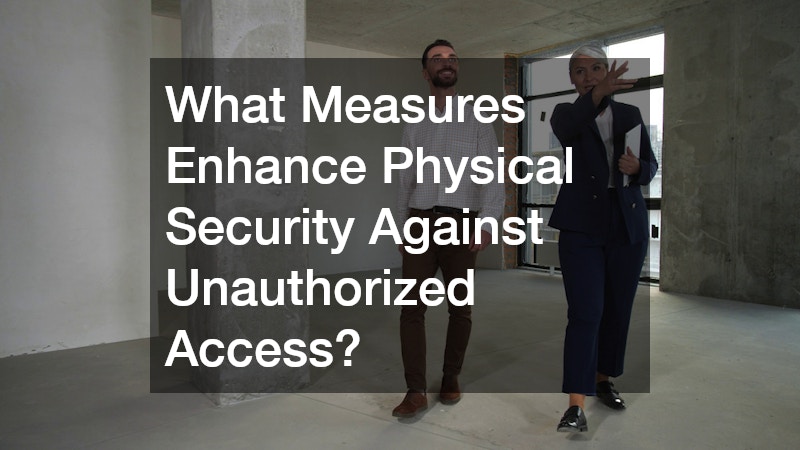
Doors, windows, and loading areas must be reinforced with durable materials and reliable locking mechanisms. Regular inspections ensure these barriers remain effective over time. Strong entry point security reduces vulnerability to forced access.
Perimeter Fencing and Gates
Perimeter fencing and security gates help control access to the property. These features are particularly important for properties with large outdoor areas or high-value assets. Clear boundaries also improve traffic control and safety.
Alarming Systems and Alerts
Alarm systems provide immediate notification of unauthorized access or emergencies. Integrating alarms with monitoring services ensures rapid response when incidents occur. Quick alerts can significantly reduce damage and liability.
Visitor Management Systems
Visitor management systems track who enters the building and when. These systems enhance accountability and support security protocols. Accurate records also assist with emergency response and investigations.
Regular Security Drills and Training
Preparedness is a key component of physical security. Regular drills help occupants understand procedures and respond effectively during emergencies. Practice builds confidence and reduces panic.
How Do I Effectively Manage and Maintain Security Systems?
Routine Inspections and Maintenance
Security systems require regular maintenance to function properly. Inspections should include cameras, access control devices, alarms, and backup power systems. Proactive maintenance reduces unexpected failures.
Software Updates and Technical Support
Keeping software up to date protects against vulnerabilities and ensures compatibility with new technologies. Reliable technical support minimizes downtime and disruptions. Consistent updates also improve performance and security.
Outsourcing to Security Experts
Partnering with experienced professionals can improve system performance and reduce internal workload. Experts provide specialized knowledge and ongoing support. Outsourcing also ensures access to the latest best practices.
Creating a Feedback Loop for Improvement
Feedback from occupants and security staff helps identify issues and opportunities for improvement. Continuous evaluation supports long-term effectiveness. Listening to feedback strengthens system reliability.
Cost-Effective Strategies for Management
Balancing costs with performance requires strategic planning. Coordinating maintenance with other services, such as sewer inspections or pavement repairs, can improve efficiency and reduce disruptions. Smart scheduling maximizes value from service investments.
What Are the Benefits of Integrating Smart Technology in My Property?
Smart Security Devices and Systems
Smart technology enhances security through automation and real-time monitoring. Connected devices provide greater control and visibility. Automation also reduces manual oversight demands.
Energy Management Enhancements
Smart systems optimize energy use, reducing costs while maintaining comfort. Integration with roofing and insulation improvements supports efficiency goals. Energy savings contribute to long-term sustainability.
Improving Communication Tools
Digital communication platforms improve coordination among staff and tenants. Efficient communication enhances both comfort and safety. Faster information sharing reduces response times.
Data Collection and Usage Analytics
Data analytics provide insights into building performance and usage patterns. These insights support informed decision-making. Analytics also help identify trends and inefficiencies.
Future-Proofing the Property
Investing in adaptable technology ensures the property remains competitive and resilient. Future-proofing supports long-term value and operational stability. Flexible systems accommodate growth and change.
How Can Landscaping Contribute to Property Security and Comfort?
Enhancing Visibility Through Strategic Landscaping
Landscaping should enhance visibility rather than obstruct it. Clear sightlines improve safety and surveillance effectiveness. Thoughtful design balances aesthetics with security.
Using Plants as Natural Barriers
Strategically placed plants can guide movement and deter unauthorized access. Natural barriers complement physical security features. Landscaping can subtly reinforce boundaries.
Maintaining Clear Lines of Sight
Regular maintenance ensures landscaping does not interfere with lighting or camera coverage. Ongoing care preserves both security and appearance. Maintenance also prevents overgrowth hazards.
Installation of Comfortable Outdoor Seating
Outdoor seating areas provide additional comfort and encourage use of exterior spaces. These areas should be well-lit and visible. Comfortable seating enhances tenant satisfaction.
Ensuring Proper Lighting in Outdoor Areas
Lighting enhances both security and usability of outdoor spaces. Well-lit pathways and parking areas improve safety. Consistent lighting also supports nighttime visibility.
What Steps Can Be Taken to Plan for Emergency Situations?
Creating a Comprehensive Emergency Plan
An effective emergency plan outlines procedures for various scenarios. Clear documentation supports quick action. Well-defined plans reduce confusion during crises.
Emergency Response Team Training
Training designated response teams ensures coordinated efforts during emergencies. Prepared teams respond more efficiently and confidently. Training also reinforces accountability.
Implementing Emergency Communication Systems
Reliable communication systems keep occupants informed and reduce confusion. Clear messaging improves compliance with emergency procedures. Communication is critical during high-stress situations.
Regular Drills and Simulations
Practicing emergency scenarios improves readiness and confidence. Regular drills identify gaps and areas for improvement. Practice strengthens overall preparedness.
Reviewing and Updating Plans Regularly
Emergency plans should be reviewed and updated to reflect changes in the property or operations. Regular updates ensure continued relevance. Adaptability is key to effective emergency management.
Final Thoughts
Ensuring the comfort and security of your commercial property requires thoughtful planning, consistent maintenance, and strategic investment. By integrating modern technology, maintaining infrastructure with the support of trusted partners, and aligning efforts with commercial insurance requirements, property owners can create environments that are both safe and welcoming. These ongoing efforts protect people, assets, and long-term value while reinforcing a positive experience for everyone who enters the property. A proactive approach ultimately strengthens resilience and confidence across the entire property.