
Highlights:
-
Workplace safety is critical for startups – Ignoring unsafe conditions can lead to lawsuits, fines, employee injuries, and reputational damage, making safety a strategic priority.
-
Unsafe conditions can exist anywhere – Hazards aren’t limited to factories; offices, coworking spaces, and remote setups can all pose risks to employees’ health and safety.
-
Proactive hazard identification prevents incidents – Regular walkthroughs, inspections, employee feedback, and reviewing past incidents help identify and mitigate risks before they escalate.
-
Legal compliance protects your startup – Adhering to OSHA standards, maintaining workers’ compensation coverage, and documenting safety procedures reduces liability and demonstrates due diligence.
-
Safety culture drives engagement and productivity – Leading by example, rewarding safe behavior, and providing ongoing training fosters a responsible and proactive workforce.
-
Technology can streamline safety management – Safety software, ergonomic apps, online training, and incident reporting tools make it easier for startups to monitor hazards and maintain a safe environment.
-
Handling accidents properly is essential – Immediate response, thorough investigation, proper documentation, and follow-up measures minimize risk, build trust, and ensure continuous improvement.
Running a startup comes with a lot of challenges—tight budgets, long hours, and the constant push to scale. Amid all the excitement, one area that can be easily overlooked is workplace safety. Ignoring unsafe working conditions can not only put your employees at risk but also leave your startup vulnerable to lawsuits, fines, and reputational damage.
This article will guide startup owners through the essential things to know about maintaining a safe workplace, protecting employees, and avoiding legal trouble.
What Are Unsafe Working Conditions?
When most people think of workplace hazards, they picture construction sites or factories. But unsafe working conditions can exist in offices, coworking spaces, and even remote work setups. Essentially, any factor that puts employees at risk of injury, illness, or long-term health issues qualifies.
Examples include:
-
Blocked emergency exits
-
Poorly maintained electrical systems
-
Slippery floors or tripping hazards
-
Overloaded power strips
-
Inadequate lighting or ventilation
-
Lack of ergonomic furniture
-
Exposure to harmful chemicals or fumes
Understanding what qualifies as a hazard is the first step in protecting your team and your business.
Why Startup Owners Should Care About Workplace Safety
Startups often operate under the assumption that safety is less of a priority compared to larger, established companies. This mindset can be risky. Here’s why:
-
Legal Liability: Even small startups are subject to workplace safety laws. Failing to comply with OSHA standards or local regulations can result in hefty fines and lawsuits.
-
Employee Retention: Talented employees are less likely to stay in a company where they feel unsafe. High turnover increases recruitment costs and disrupts operations.
-
Productivity Loss: Accidents, injuries, and poor workplace conditions can directly affect productivity. Employees who feel uncomfortable or unsafe are less likely to perform at their best.
-
Reputation Risk: Negative publicity about unsafe working conditions can hurt your startup’s brand, making it harder to attract talent, customers, and investors.
In short, investing in safety isn’t just about compliance—it’s a strategic move for growth and sustainability.
How to Identify Hazards in Your Startup

The first step in reducing workplace risks is knowing what to look for. Conducting regular assessments and being proactive can save your startup from potential legal and financial trouble. The goal is to identify not just obvious risks but also subtle issues that can lead to accidents, employee dissatisfaction, or legal exposure.
Walkthroughs and Inspections
Take time to walk through your office, warehouse, or workspace regularly. Look for common hazards:
-
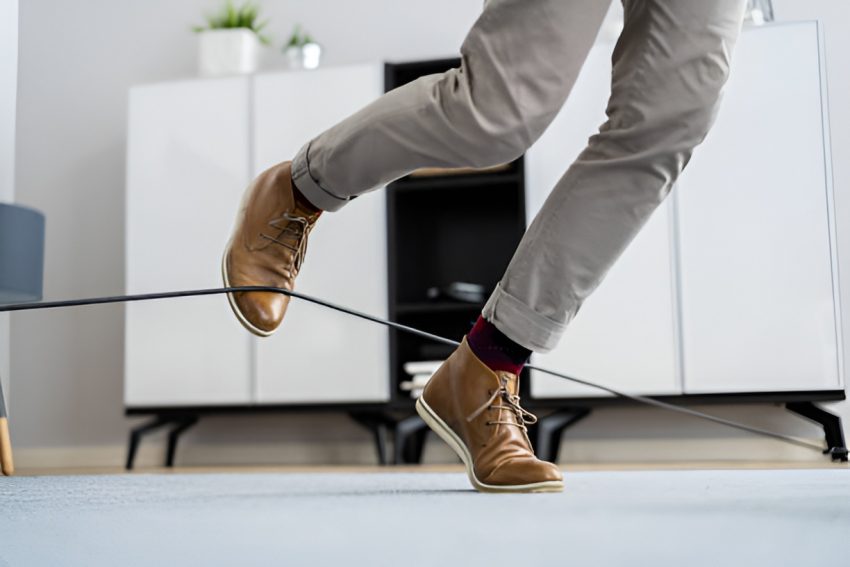
Loose cables and cords – These can cause tripping hazards. Consider routing cables safely and using cable management solutions to prevent employee strain.
-
Worn-out or damaged furniture – Old chairs or unstable desks can increase injury risk and reduce productivity; replacing or repairing them contributes to a safer and more comfortable environment.
-
Fire hazards like blocked fire extinguishers – Ensure all extinguishers are accessible, functional, and clearly labeled.
-
Poorly ventilated spaces – Adequate airflow prevents headaches, fatigue, and long-term respiratory issues, helping employees stay healthy and productive.
-
Emergency exits that aren’t clearly marked – Clearly marked exits are essential for evacuation procedures.
Make a checklist and schedule these walkthroughs monthly or quarterly depending on your workspace’s size. Documenting your findings is essential for both safety and legal protection.
Employee Feedback
Your employees are on the front lines every day. Encourage them to report hazards or concerns without fear of retaliation. You can:
-
Set up an anonymous reporting system – Employees can safely alert management to unsafe conditions.
-
Hold quarterly safety meetings – Discuss hazards, review incidents, and educate the team on safety procedures.
-
Reward proactive reporting and safety suggestions – Incentivizing awareness encourages ongoing vigilance and a culture where employees take ownership of safety.
Engaging employees in safety awareness helps identify risks you might have overlooked and promotes a shared responsibility for a safe work environment.
Reviewing Past Incidents
Look at past accidents, near misses, or complaints to identify patterns. Documenting trends will help you prevent similar incidents in the future.
Key Legal Considerations for Startup Owners
Understanding the legal framework around workplace safety is critical. Even small startups can face significant legal consequences if they neglect safety standards. Being proactive reduces the risk of fines, lawsuits, and costly settlements.
OSHA and Local Regulations
In the U.S., OSHA provides guidelines to ensure safe working conditions. Make sure your startup is aware of:
-
Fire safety and emergency protocols – Ensure all employees know how to act during a fire and that procedures are included in your emergency action plan.
-
Electrical and equipment safety standards – Properly maintained devices reduce fire risks and prevent injury.
- Ergonomic requirements for office workers – Implementing ergonomic furniture and setups helps prevent repetitive strain injuries.
-
Reporting procedures for workplace injuries – Clear documentation protects both employees and your startup from legal disputes.
Failure to comply with these regulations can result in fines, penalties, or lawsuits, making compliance a crucial component of startup management.
Workers’ Compensation
Workers’ compensation insurance protects both employees and your startup in case of injury. Make sure you:
-
Provide coverage for all employees – This ensures everyone is protected if an accident occurs.
-
Understand the claims process – Knowing the steps helps prevent delays and legal complications.
-
Keep accurate records of injuries and treatment – Thorough documentation is essential if an incident escalates into a legal matter.
Having insurance and documentation demonstrates due diligence and significantly reduces legal exposure.
Documentation Is Everything
Maintaining thorough records of safety protocols, inspections, and employee training is crucial. If a lawsuit arises, these documents serve as evidence that you actively worked to prevent unsafe conditions
Creating a Safety-First Culture
Safety isn’t just about rules—it’s about culture. A startup where safety is a priority encourages everyone to act responsibly and look out for one another.
Lead by Example
Founders and managers set the tone. Show that safety matters by:
-
Following all safety protocols yourself
-
Being approachable about employee concerns
-
Addressing hazards immediately
Reward Safe Behavior
Incentivize employees to report hazards, follow protocols, and participate in safety initiatives. Small rewards or recognition can go a long way in reinforcing good habits.
Provide Ongoing Training
Regular training sessions ensure employees know how to handle emergencies, use equipment safely, and avoid accidents. Topics can include:
-
Proper lifting techniques
-
Fire extinguisher use
-
First-aid basics
-
Safe handling of equipment
Tips to Minimize Risk and Keep Employees Safe

Here are some practical tips startup owners can implement immediately:
-
Conduct regular safety audits – Walkthroughs and inspections help identify risks early and ensure your team knows how to respond in line with the emergency action plan.
-
Install proper lighting and ventilation – Improves visibility and air quality while helping to enhance comfort in a workspace, which can reduce strain and fatigue.
-
Keep walkways and emergency exits clear – A simple step that prevents accidents and ensures a smooth evacuation if needed.
-
Provide ergonomic furniture and equipment – Chairs, desks, and accessories designed to support employee health help reduce injury risk and make work more comfortable.
-
Encourage employees to report hazards – Promotes accountability and ensures small problems are addressed before they escalate into major issues.
Implementing these tips not only reduces the risk of unsafe working conditions but also contributes to a culture where employees feel valued, protected, and productive.
Common Mistakes Startup Owners Make
Even with the best intentions, startup owners often make mistakes that increase liability risk. Some common pitfalls include:
-
Treating safety as an afterthought
-
Skipping training sessions due to time constraints
-
Ignoring small hazards that could escalate
-
Failing to document safety protocols
-
Assuming remote or flexible workers are automatically safe
Avoiding these mistakes requires a proactive mindset and consistent attention to workplace safety.
How Technology Can Help
Modern startups can leverage technology to monitor and improve workplace safety. Some options include:
-
Safety management software to track hazards and incidents
-
Ergonomic apps that suggest posture corrections
-
Online training platforms for safety courses
-
Incident reporting tools for anonymous submissions
Technology can streamline safety processes, making it easier for small teams to maintain a safe environment without overloading management.
Handling Accidents Professionally
Even with precautions, accidents can happen. How you handle them can impact both employee trust and legal liability.
-
Immediate Response
Ensure the injured employee receives prompt care. Follow your emergency protocols and document the incident. -
Investigation
Determine the cause of the accident and whether it was preventable. Identify hazards that contributed to the incident. -
Documentation
Maintain detailed records, including statements, photos, and medical reports. -
Follow-Up
Address the hazard and implement measures to prevent recurrence. Communicate with employees about improvements made.
Remote Work and Safety
Many startups rely on remote employees. Unsafe working conditions aren’t just a physical office problem—they can exist at home too.
-
Encourage employees to set up ergonomic home workstations
-
Provide guidance on safe lifting, screen placement, and lighting
-
Offer virtual safety training sessions
Even when employees are remote, startups have a duty to promote safe work practices.
Scaling Safety as Your Startup Grows
As your startup grows, maintaining safe working conditions becomes more complex. Here’s how to scale effectively:
-
Update your safety policies regularly
-
Reassess hazards whenever you expand or renovate
-
Appoint a safety officer or team to oversee protocols
-
Continue training new hires on safety expectations
Growth doesn’t mean cutting corners on safety; in fact, the stakes are higher as your team and operations expand.
Building Trust Through Safety
Employees notice when their well-being is a priority. Startups that emphasize safety build stronger relationships with their teams.
-
A safe and comfortable workspace boosts morale
-
Clear emergency procedures create confidence
-
Employees are more likely to speak up about hazards
Prioritizing safety shows that you care about more than just output—it demonstrates respect for the people who make your startup successful.
In Summary
Unsafe working conditions are not just a regulatory concern—they’re a business risk. Startup owners who take proactive steps to protect their employees reduce the likelihood of lawsuits, enhance productivity, and build a culture that attracts top talent.
By assessing hazards, implementing an emergency action plan, training your team, and taking steps to enhance comfort in a workspace, you can create a safe and supportive environment where both your employees and your startup can thrive. Safety and comfort are investments, not costs—and they pay off in loyalty, productivity, and long-term success.